Waterproofing Guide
Is an Existing Roof a Good Candidate for a Protective Coating?
01
Evaluating Your Roof for Restoration
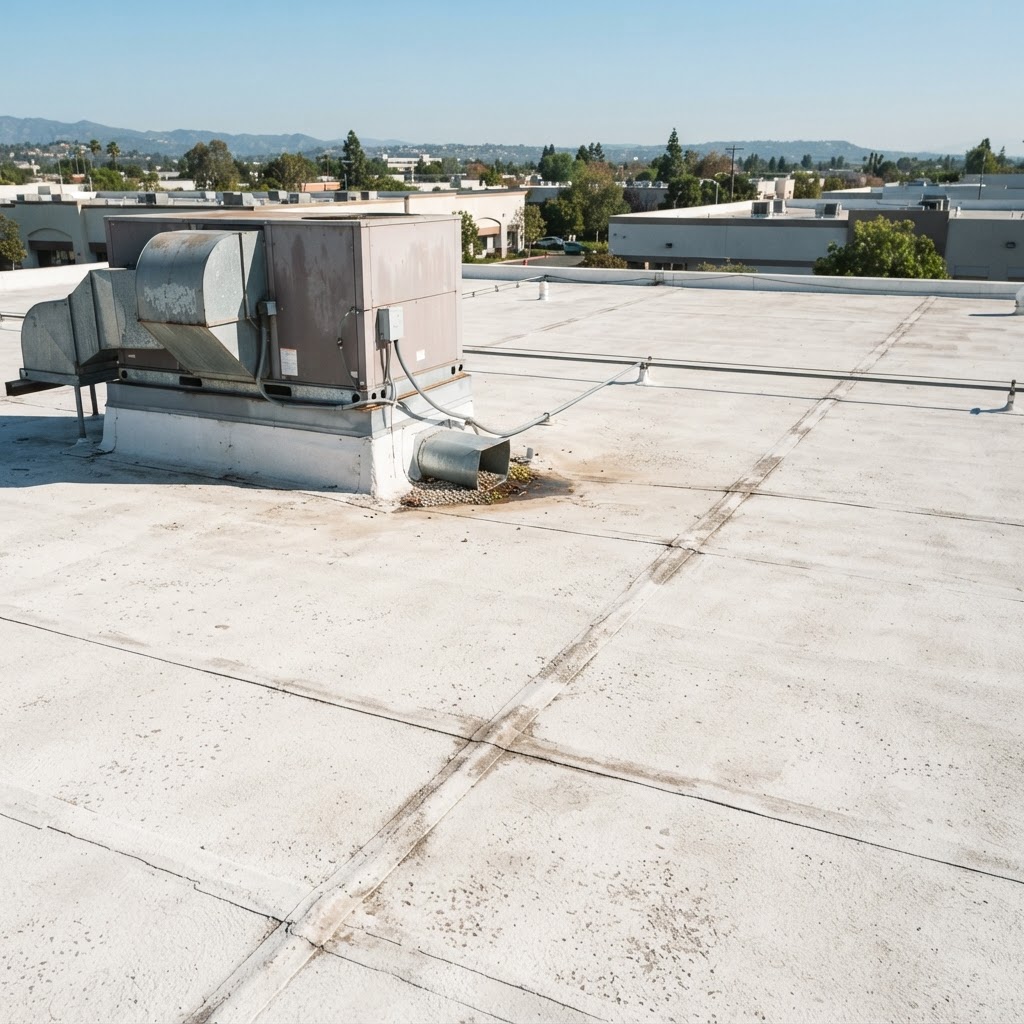
Determining if your property is a suitable candidate for a liquid-applied restoration begins with a comprehensive evaluation of the roof's age, history, and material composition. Rather than defaulting to a full tear-off and replacement, property owners can often extend the service life of their existing assembly through professional roof coatings. This process focuses on restoring the integrity of the current system, provided it meets specific structural and material criteria.
02
Substrate Integrity and Adhesion Standards
The long-term performance of any coating system is entirely dependent on the condition of the substrate beneath it. Technicians must inspect for signs of degradation, such as blistering, cracking, or surface wear. Because a uniform exterior can sometimes hide deeper issues, professionals often perform adhesion testing to ensure the new material will bond securely to the existing surface, creating a durable and seamless protective barrier.
03
Managing Drainage and Ponding
Effective water management is a cornerstone of roof longevity. If a roof exhibits persistent ponding, it typically indicates a slope deficiency or an obstructed drainage path that a coating cannot resolve. Applying a product over standing water is ineffective and often leads to premature system failure. Identifying and correcting these drainage bottlenecks is a mandatory prerequisite before any application can proceed.
04
Reinforcing Critical Transitions and Seams
Water intrusion frequently occurs at vulnerable junctions rather than across the main roof field. Meticulous inspection and reinforcement of curbs, pipes, seams, and wall transitions are essential. Treating the broad surface while neglecting these high-risk areas leaves the building susceptible to leaks. A comprehensive restoration plan must address these transitions to ensure a fully unified and watertight system.
05
Recognizing When Restoration Is Not Suitable
Not every roof is a candidate for a coating. If an inspection reveals saturated insulation, rotted decking, or active structural movement, a coating will not provide the necessary fix. In such cases, the property may require specialized repairs or other interventions before a protective system can be safely applied. Understanding these limitations helps property owners avoid unnecessary investments in systems that cannot address the root cause of the damage.
06
Defining Your Project Scope
A professional recommendation should be tailored to your specific property, detailing the necessary surface preparation, repair steps, and the exact coating system to be used. Avoid generic solutions that claim to work on every roof type. To discuss your specific needs in the Santa Clarita Valley, San Fernando Valley, Simi Valley, or Agoura Hills, please visit our locations page or submit your details through our contact form.
07
Long-Term Maintenance and Care
Once a compatible coating system is installed, ongoing maintenance is the best way to protect your investment. Regularly clearing debris from drains and monitoring seams or penetrations for early signs of wear can prevent minor issues from becoming costly repairs. Proactive oversight ensures the system continues to perform as intended throughout its service life.
Common Questions
Frequently Asked Questions
No. A coating is a restorative maintenance solution for roofs that are still structurally sound. It cannot replace a roof that has failed due to rotted decking or water-saturated insulation.
Generally, no. Ponding water indicates a drainage issue that must be corrected first. Coatings are not designed to act as a substitute for proper roof slope or functional drainage systems.
Compatibility is determined through a professional site assessment that evaluates the existing material, current surface condition, and the presence of moisture. A technician will verify if the specific coating chemistry will adhere properly to your roof's unique composition.
Continue Learning
Related Waterproofing Guides
Planning a Waterproofing Project?
Noble Waterproofing & Coatings provides free, no-obligation estimates for residential and commercial properties across the Santa Clarita Valley, San Fernando Valley, Simi Valley, and Agoura Hills.