When to Investigate
Common Signs and Problems
Interior staining after wind-driven rain
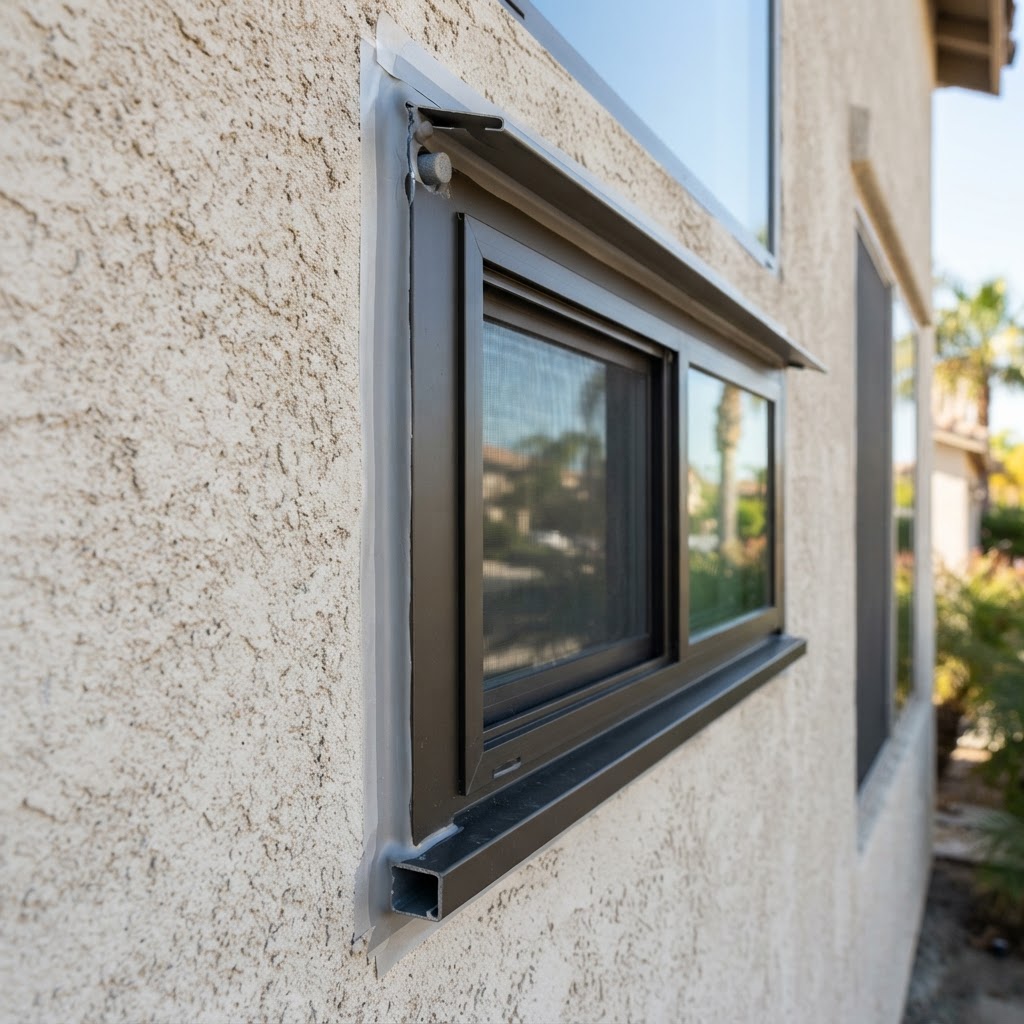
Cracked or deteriorated exterior finishes
Failed sealant at joints and penetrations
Moisture around windows, walls or transitions
Where It Applies
Common Applications
Exterior walls and exposed finishes affected by rain
Joints, penetrations and transitions connected to reported moisture
Residential, commercial and multifamily exterior surfaces
Property Protection
What This Service Can Help Protect
Targets exterior paths where liquid water can enter
Coordinates surfaces, joints and transitions rather than isolated spots
Helps preserve compatible exterior materials
How Noble Approaches the Work
Inspection and Application Process
Review when and where symptoms occur.
Inspect exterior surfaces, joints, penetrations, flashings and drainage paths.
Define repairs and select compatible materials.
Prepare surfaces and complete detailed waterproofing or coating work.
Review completed details and recommend monitoring after future rain.
Materials & Compatibility
The Right System Starts With the Surface
Exterior water entry can involve walls, sealants, flashing, roofs, decks or drainage. Effective work starts by tracing the likely path rather than coating an unrelated surface.
Frequently Asked Questions
Water can travel along layers, framing or penetrations before becoming visible, so the wet spot does not always identify the exterior opening.
No. Sealants address suitable joints and gaps, but wall assemblies also depend on flashings, drainage and compatible surface systems.
Explore Next