When to Investigate
Common Signs and Problems
Damp patches, staining or efflorescence
Cracks and open joints
Spalling, scaling or surface wear
Recurring moisture at walls, slabs or transitions
Where It Applies
Common Applications
Exposed slabs, patios and walkways
Concrete at joints, cracks and surface transitions
Compatible residential, commercial and multifamily concrete surfaces
Property Protection
What This Service Can Help Protect
Reduces water entry through treated surfaces and details
Helps protect compatible concrete from moisture-related deterioration
Creates a maintainable surface when the correct system is used
How Noble Approaches the Work
Inspection and Application Process
Determine where water is entering and whether movement or drainage contributes.
Evaluate cracks, joints, surface strength and moisture condition.
Repair defects that must be corrected before treatment.
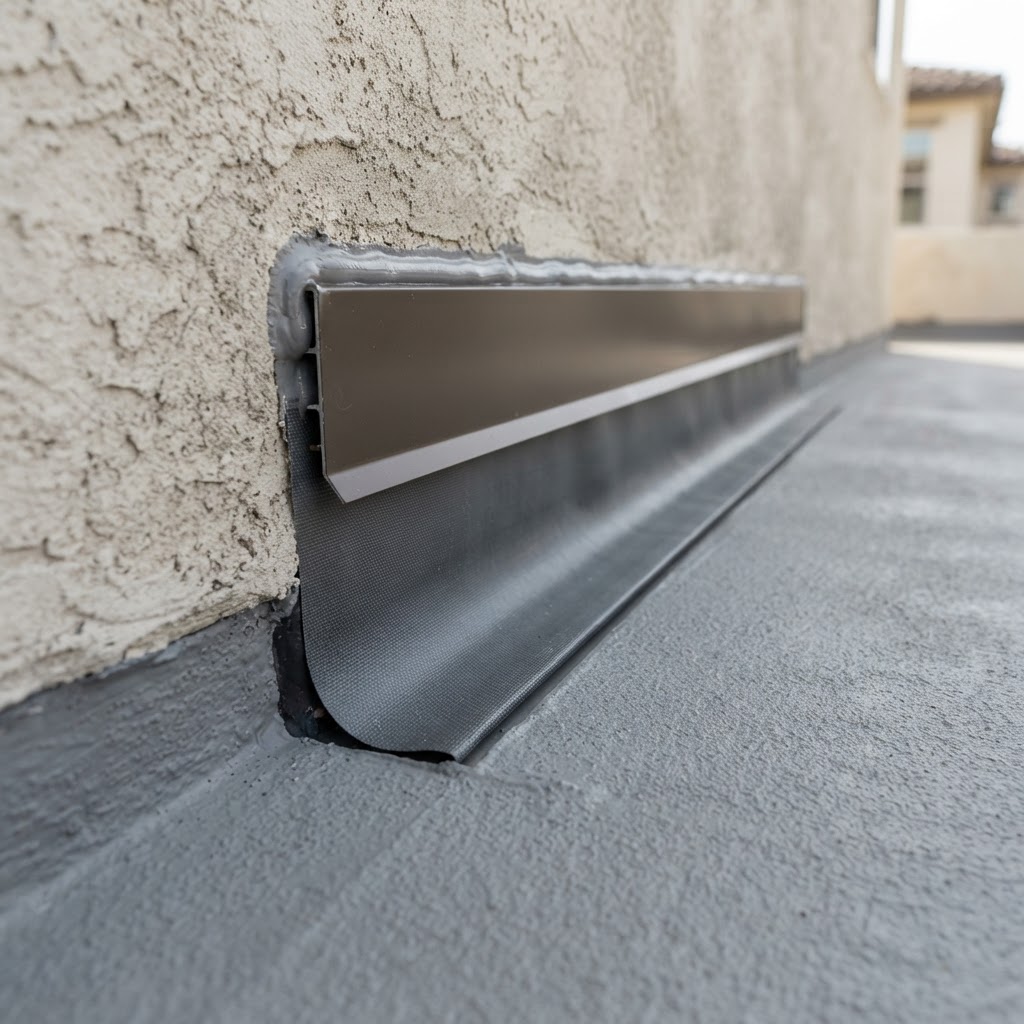
Apply the selected coating, membrane, sealant or treatment to a prepared surface.
Inspect continuity and document maintenance needs.
Materials & Compatibility
The Right System Starts With the Surface
A surface sealer is not the same as a waterproof membrane. The correct approach depends on exposure, water pressure, crack movement, substrate condition and how the area is used.
Frequently Asked Questions
No. Cracks that may indicate structural movement should be evaluated by an appropriate qualified professional before waterproofing work.
It is a powdery salt deposit left when moisture moves through masonry or concrete and evaporates. It is a warning sign to investigate, not proof of one specific leak source.
Explore Next